
Light That Whispers, Surfaces That Speak
Today we explore understated lighting plans that accentuate texture and form, focusing on gentle strategies that let stone, wood, plaster, metal, and fabric express themselves without glare or spectacle. You will learn techniques that sculpt with shadow, refine with control, and honor materials honestly. Join the conversation, ask questions, and share your own experiences so we can keep improving these quiet methods together, scene by scene and room by room.
The Quiet Power of Layered Illumination
Ambient light should feel like breathable air, even and welcoming yet not flat. Bounce light off ceilings or upper walls to avoid hotspots, choosing dimmable sources that maintain color fidelity at low levels. When the general glow recedes, the eye relaxes, textures begin to speak, and your energy rises from the restorative calm. Think of it as a backdrop that invites subtlety to take center stage.
Task lighting clarifies actions while quietly sculpting form through directional beams and careful cutoff. Under-cabinet lines, discreet sconces, or focused downlights can highlight the grain of a cutting board, the weave of a desk mat, or the curvature of a chair. Keep brightness ratios gentle to prevent distraction. When properly dimmed and aimed, task light becomes an invisible helper, revealing purpose and precision without announcing itself.
Accent lights should be placed with restraint, grazing to reveal relief and texture rather than blasting surfaces. A small, narrow beam can unlock the story in hand-troweled plaster or reclaimed brick, while a soft strip can create a quiet halo under shelving. Limit the number of highlights to maintain calm visual rhythm, ensuring each accent earns its place and deepens the material’s narrative.
Techniques That Let Texture Take the Stage
Texture needs the right angle, distance, and contrast to come alive. Wall grazing, backlighting, cross-lighting, and raking illumination bring out depth without overwhelming the room. By testing aim and spacing before committing, you will find the sweet spot where detail pops yet the overall scene remains serene. Remember: a few carefully tuned sources often outperform many bright ones that flatten everything.
Shaping Form With Shadow, Contrast, and Pause
Form emerges when light knows where to stop. Strategic shadow, controlled contrast, and moments of darkness help edges read cleanly and volumes feel intentional. Avoid filling every void; negative space invites the eye to rest and makes illuminated elements more meaningful. Through careful beam control, precise cutoff, and selective uplight or downlight, you shape architecture quietly, making geometry feel inevitable and deeply comfortable.
Silhouette, Halo, and the Beauty of Negative Space
Silhouetting a sculpture against a softly lit plane lets curves and contours communicate with minimal brightness. A restrained halo behind a headboard or sideboard provides depth while honoring the object’s true outline. Leave adjacent areas dim so the composition breathes. When used sparingly, these moves create calm focus, prevent visual fatigue, and transform everyday forms into enduring companions rather than fleeting spectacles.
Beams, Baffles, and Precise Cutoff
Choosing the right beam angle and pairing it with effective baffles or snoots keeps brightness where it belongs. Tight beams carve crisp edges on art or architectural details, while glare control maintains comfort at seated eye level. Good cutoff preserves contrast without shining into sightlines. The result is controlled definition that feels natural, drawing attention to shape and craft while keeping technology politely in the background.
Color, Finish, and Material Honesty
Warmth That Deepens Grain and Weave
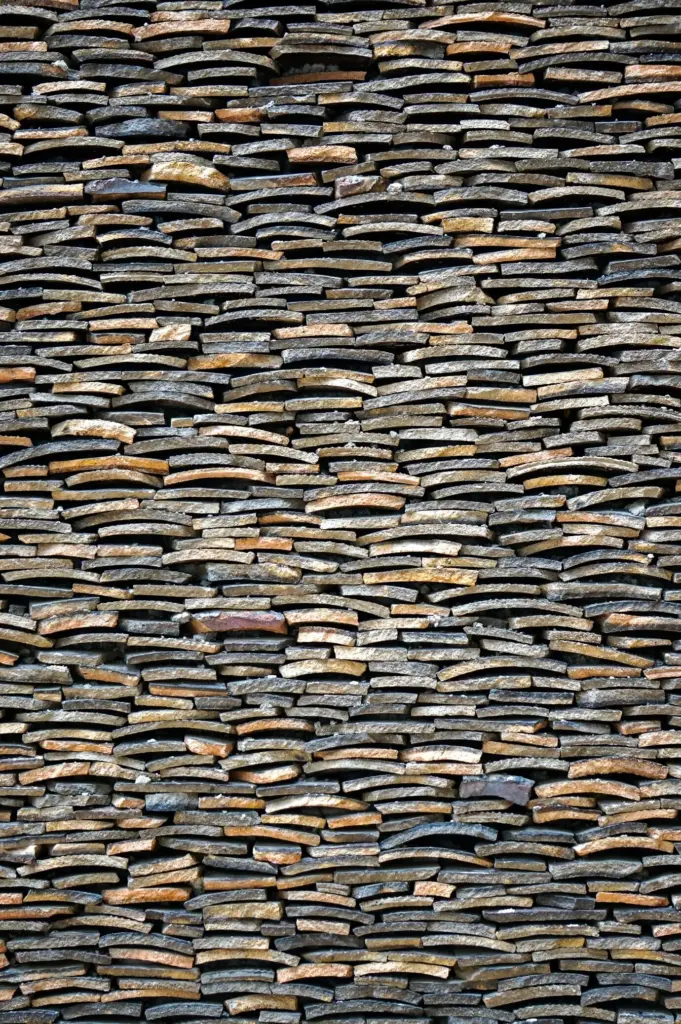
Choose warm or warm-to-dim sources to enhance oak, walnut, rattan, and wool, adding visual coziness as output lowers for evening rituals. The gentle amber shift invites tactile engagement, making hand-hewn textures feel more intimate. Test samples under different levels to confirm harmony. When warmth aligns with material honesty, surfaces feel inviting without becoming heavy, and the room gains a sophisticated, lived-in glow.
High CRI and Consistency Across Sources
High CRI, particularly strong R9 and R13 values, preserves nuanced reds, skin tones, and natural materials. Keep color temperature consistent across fixtures in a single sightline to avoid patchy scenes. If variety is desired, separate zones and program transitions thoughtfully. Consistency prevents distraction, allowing the viewer to appreciate craftsmanship and texture first. The more coherent the palette, the more confidently form and detail read.
Matte Surfaces, Soft Reflectance, Fewer Hotspots
Matte paint, low-sheen plaster, and non-specular trims reduce reflected glare and reveal depth with ease. Fixtures with regressed optics and micro-baffles keep the source quiet, focusing attention on the surface itself. Even brushed metal benefits from soft reflectance that avoids pinpoints. By taming sparkle and harnessing gentle diffusion, textures appear richer, shadows kinder, and the entire composition more restful to inhabit day and night.
Scenes, Controls, and Everyday Rituals
Subtle lighting succeeds when daily life drives the controls. Scenes should shift naturally from welcoming warmth to focused clarity and gentle wind-down, all with smooth dimming curves that maintain color quality. Simple interfaces, thoughtful sensor placement, and reliable schedules prevent spectacle and support comfort. Invite feedback from everyone who uses the space, and adjust responsively. The best systems fade into habit, leaving beauty up front.





Priorities, Budgets, and Sustainable Choices
Great results do not require extravagant inventories. Prioritize placement, optics, and controls over quantity. Start with architectural moves that bounce light, then add minimal, well-aimed accents. Retrofit existing fixtures carefully, choose high-efficacy sources, and specify durable finishes. Maintain luminaires for performance and longevity. Invite readers to share budget wins and lessons learned, building a community of practical solutions grounded in craft and restraint.
All Rights Reserved.