

Quiet Luxury, Rooted in Place
Today we explore landscape design that signals discreet affluence without flash, where restraint, proportion, and enduring craft speak louder than logos or spectacle. Expect ideas anchored in timeless materials, layered planting, and subtle sensory details that elevate comfort. Share your questions, subscribe for new case studies, and join a community that values quiet confidence outdoors as much as meticulous, thoughtful living indoors.
The Principles of Quiet Luxury Outdoors
Understated landscapes feel effortless, yet they are meticulously choreographed. Proportion, negative space, and coherence guide every decision, allowing quality to reveal itself gradually. When lines are calm, materials honest, and views intentionally edited, guests sense generosity and care without seeing self-promotion. This approach nurtures daily ease, celebrating longevity over novelty and subtle refinement over attention seeking.
Planting that Whispers, Not Shouts
Planting is the soft architecture of discretion. Structure comes from evergreen bones and layered hedges, while seasonal notes arrive gently through texture, scent, and movement. Sparse color accents feel purposeful, not performative. By honoring local ecology and site conditions, maintenance drops, resilience rises, and the landscape communicates confidence through health, balance, and an authentically rooted sense of place.
Evergreen Framework and Layers
Broadleaf evergreens, quiet conifers, and clipped forms create year-round order without rigidity. Layering them with mid-story shrubs and fine-textured groundcovers yields depth that reads as abundance, not clutter. This structure makes small botanical surprises feel intentional, while keeping the overall composition coherent through winter, storm, or drought. It’s a wardrobe of essentials, tailored and seasonless, generously edited.
Seasonality Without Spectacle
Choose flowers and foliage for sequence rather than fireworks. Soft drifts of hellebores, epimediums, and woodland bulbs lead to restrained summer textures—panicums, astrantias, and Japanese forest grass—before fall seedheads and winter silhouettes quietly take the stage. Each moment is nuanced and paced. Neighbors may not notice immediately, yet guests sense continuity and depth, appreciating a living calendar of gentle transitions.
Color as a Quiet Accent
Hold the palette near greens, silvers, and soft whites, letting color arrive as a calm emphasis. A single burgundy beech or dusky lavender thread can carry entire borders when balanced with generous foliage. This approach supports tranquil sightlines from interior rooms, avoiding visual competition with art or architecture. Understated hues feel confident, signaling that restraint, not scarcity, guides every decision.
Materials That Age Gracefully
Select locally sympathetic stone—limestone, bluestone, or granite—with finishes that manage slip yet retain character. Larger formats reduce joint lines and visual noise. Treads with pencil-round edges soften light and footsteps. Reclaimed pavers introduce immediate heritage without feeling theatrical. In time, lichen and micro-chips narrate care and continuity. Nothing shouts; everything listens, supporting architecture and planting with gentle confidence.
Reserve timber for places hands and bodies meet: bench slats, gate handles, stair rails. Quarter-sawn oak or thermally modified ash resists warping and welcomes patina. Oil finishes are preferred over glossy varnish, inviting seasonal maintenance rituals that deepen ownership. Where longevity demands it, concealed steel frames can back timber elements, preserving the warm tactile experience and graceful aging.
Bronze, weathering steel, and brushed stainless speak quietly when kept matte. Thoughtful details—hand-peened edges, softened corners, and low-sheen patination—avoid glare while elevating craftsmanship. Hidden fasteners maintain serenity, preventing visual chatter. Grilles, drains, and trellis connections become refined background players, proof that performance and discretion can coexist. Elegance arrives through precision and proportion, not reflectivity or ornament.
Light That Guides, Not Glitters

Warm Color Temperatures and Dimming
Choose 2700K as a baseline for hospitality, softening to 2400K near seating or water. Pair with robust dimming to adapt for dinners, arrivals, or stargazing. Lower light levels reduce glare and preserve night vision, making texture read beautifully. Understated scenes prioritize contrast and shadow play, letting craftsmanship and planting details appear with theater-like subtlety, never aggressive brightness or sparkle.

Concealed Fixtures and Glare Control
Recess step lights, hide path fixtures in planting, and use cowls or hex louvers to shield sources. Wall grazing should skim, not scorch. The measure of success is when visitors cannot locate the fixture, only its effect. Even utilitarian areas deserve this discretion, ensuring a seamless experience that feels intentionally curated rather than technically demonstrative or gadget-driven for its own sake.

Moonlighting and Gentle Shadows
Soft downlighting from high branches creates dappled patterns reminiscent of real moonlight, adding romance without drama. Aim for sparse placements with narrow beams and careful mounting that protects tree health. Combine with faint uplights on specimen trunks to articulate form. The result is atmospheric rather than theatrical, encouraging conversation, lingering, and awareness of rustling leaves, distant water, and evening air.
Privacy Without Fortress Walls
Discretion embraces welcome, not isolation. Layered screening, calibrated sightlines, and acoustic softness establish intimacy while retaining connection to sky and neighborhood rhythm. Security technologies remain invisible, and entries feel composed rather than defended. This balance projects confidence and care: a refuge designed for comfort, conversation, and artful living, rather than a barricade designed to posture or intimidate anyone.
Elemental Comforts for Everyday Living
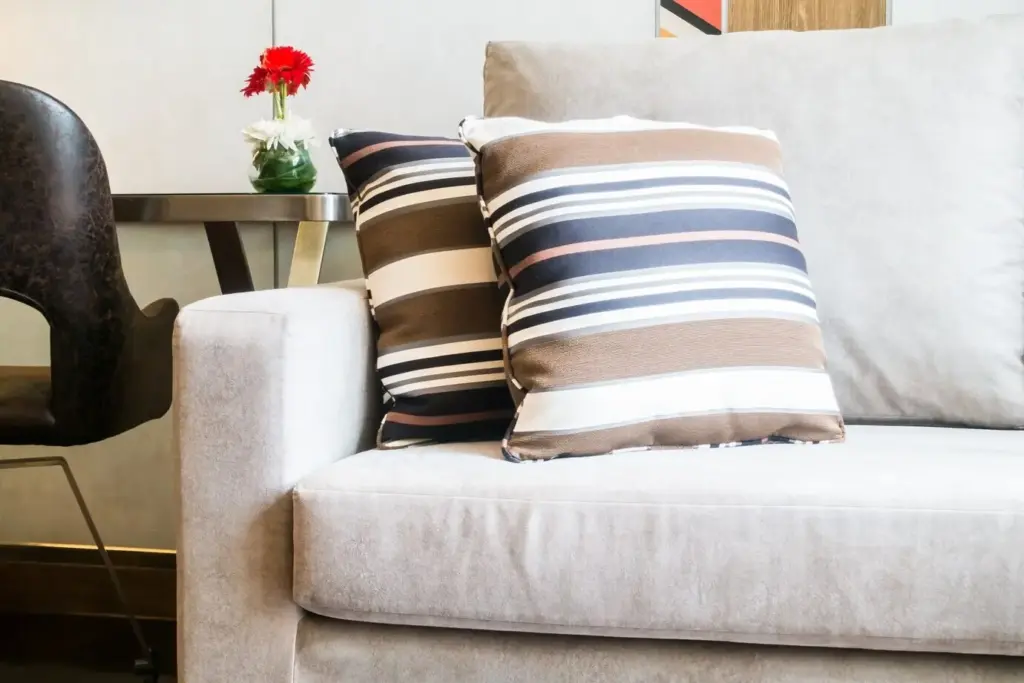
Understated luxury lives in daily rituals: coffee under a pergola, warm stone underfoot, and the quiet murmur of water. Scaled-down fire features, refined outdoor kitchens, and tactile furnishings support gathering without theatrics. When every element prioritizes comfort, longevity, and ease, the space encourages lingering, reading, and conversation, proving that the highest form of affluence is gracious, unhurried living.
All Rights Reserved.